
The National Botanic Garden in Llanarthne, Carmarthenshire has launched a campaign titled ‘the pollinators assurance scheme’ ending what they call the ‘Russian roulette’ we play every time we buy a plant. They are offering plants for sale that are guaranteed to be good for bees and other pollinators. The scheme is backed by the garden’s cutting-edge scientific research.
Head of Science, Dr Natasha de Vere explains,
“Lockdown has seen a massive growth in gardening with more people spending extra time and money buying plants to make their gardens more wildlife-friendly, without realising the plants could contain residues of synthetic insecticides that are extremely damaging to pollinators and to our environment.
A team of scientists here at the Botanic Garden have been using DNA barcoding to investigate which plants honeybees, solitary bees, bumblebees and hoverflies visit. Our new Saving Pollinators Assurance Scheme harnesses this 17 years’ worth of research, and makes its results accessible to gardeners.”
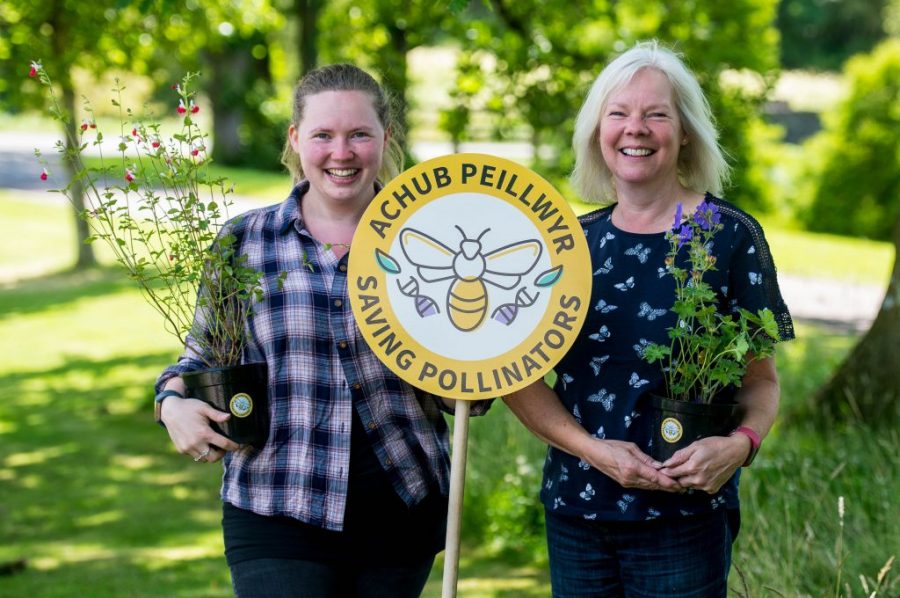
There are already 23 participating growers and specialist nurseries signed up to the scheme and they are using the new ‘Saving Pollinators’ logo. The scheme’s organisers hope the concept could, in the future, be rolled out to other parts of the UK and are calling on the horticulture and garden retail industry to take note.
The assurance scheme is being run by the Botanic Garden’s Growing the Future project. GTF Science Officer, Dr Kevin McGinn said,
“The pollinator plants assured by our scheme are not only backed by scientific evidence but have been sown, grown and nurtured by a range of passionate growers in a peat-free and synthetic-insecticide-free environment. Consumers can be sure that these plants are not only attractive to pollinators but have also been grown in an environmentally sustainable way.”
Although the use of peat is still widespread, it is environmentally damaging and its extraction can destroy wildlife habitats, allowing vast amounts of carbon dioxide to be released into the atmosphere and contribute to climate change too.
The drastic worldwide decline in vital pollinating insects is partly caused by the use of neonicotinoids and other pesticides. Flower visiting insects are vital pollinators of the food we eat and their dramatic decline and loss of health is a major cause for concern. Research confirms that even plants labelled by retailers as ‘pollinator friendly’ can contain potentially toxic pesticides. Buying plants grown without synthetic insecticides will help prevent pollinator declines and also benefit insect-eating wildlife such as hedgehogs, sparrows and frogs.
De Vere notes,
“This new campaign is all about highlighting what gardeners can do to improve the odds for insects but we need a huge awareness-raising campaign about current horticultural practices so consumers are empowered to do the right thing. Look out for our Saving Pollinator Assurance Scheme logo on plants in garden centres and specialist nurseries across Wales, including in the Garden Centre here at the Botanic Garden. It is the only pollinator plant logo in the marketplace that is backed up by science and the only one that assures buyers they have made an environmentally sustainable choice.”
With approximately 27 million people taking part in gardening activities (nearly half of the 64 million population) this spells good news for the future of our planet.
Find out more about the Saving Pollinators Assurance Scheme here.