

Following their demand for the majority of UK children to stay at home during the coronavirus pandemic, the government inadvertently started the ‘homeschooling’ revolution. A shock to the system nationwide and one which parents were openly describing on social media as ‘complete mayhem’ during the first few weeks of lockdown.
Families had no choice but to adapt to a new life; working parents were suddenly awarded voluntary teaching jobs on top of their own, furniture removals took place to create space for learning and play and attending online meetings started to be hijacked by small (and very cute but we won’t tell them) giggling bombshells wondering why ‘mummy/daddy’ can’t play ALL day.
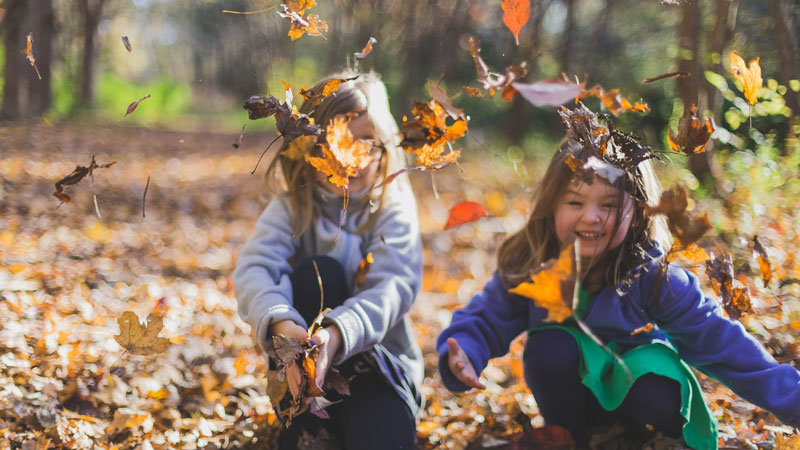
The first couple of weeks was a novelty and children everywhere celebrated ‘schools out’ MUCH earlier than usual. Social media was flooded with families spending time together, enjoying the sunshine, seeking ways to get creative, staying up late and enjoying more time than ever before as people that actually liked each other, under the same roof, at the same time!

A few weeks on and the landscape has slightly changed. The pressure on parents to source enough food using new ways to shop, work productively from home, cook, clean, keep their children entertained AND support their education in the best way they know how, is starting to show.
Single parents don’t have the luxury of playing ‘tag team’ with their other half, blended families continue to navigate complexities on where the kids live and whether they can safely move between homes, not to mention the travel logistics and heartbreak that comes with it.
In addition, with so much focus on how the children are coping with this new life, little thought has gone into how adults are managing mentally, knowing they need to remain positive and be a figure of support during this time.

Parents ask each other and the contacts they’ve been given from school,
Should we be running a strict nursery/homeschooling routine from 9-3pm to maintain some sort of ‘normal’?
What should we be teaching them and how much of the curriculum is essential during this time?
How do we know we’re covering enough of the right topics?
How long is too long for my child to play games online?
Or should we just chill out and give our children a break to allow them to adjust to this new life?

Whatever conclusion you’ve come to, it’s likely it will be one to suit you and your family and most importantly, results in a positive environment. The COVID-19 ‘lockdown’ will go down in history and it’s likely we’ll refer to what we did during this period in the future.
If you can, make it memorable and feel comfortable in knowing that how you chose to live during the pandemic was fuelled by love, health and happiness.
By now, we’re sure you’ve found umpteen ways to spend your time, yet there’s always room to hear about more. With the help of some very kind parents, we’ve pulled together some inspiration for living at home with the kids. Whether your chosen approach is simple living or virtual tools, we hope you find something you like.
How are you managing the pandemic period with kids at home? We’d love to hear your stories.
It’s common knowledge that learning through play is crucial to a child’s healthy development, and levels of happiness and wellbeing into adulthood.
Through watching, listening, interacting, problem solving and using their creativity, children can make sense of the world, build self confidence, make decisions, learn how to communicate and negotiate, develop empathy, improve numeracy skills and much more.
And most importantly, they’re doing all of this whilst HAVING FUN!
It’s not surprising to see that many parents have taken this approach during the pandemic and it’s really great to see families connecting through simple living, using child-led learning with an overall focus on mental wellbeing. It’s also interesting to hear that technology is being used, yet sparingly, as a means to enable simple living.

When asked to share their experience of entertaining and educating their kids at home, parents locally shared,
“There are so many resources out there, it’s a potential minefield.”
“We’re just taking each day at a time.”
“It’s a strange feeling managing everybody’s emotions (which tend to be well hidden).”
“Family wellbeing has been our focus (without saying it to the children).”
“Any work we have done has been child orientated.”
“They said they had the best day ever. So did we! Everyone was happy with that homework!”
Here are just some of the things they’ve been up to which we hope will inspire you too:
Acting, singing and making shows
Entertain each other using imagination to create characters, costumes and storylines.
Drawing and letter writing
Choose something to draw then search for art techniques on YouTube so the family can capture it together (noting the differences in how each person makes their mark). Write a letter to go with it and post it to a friend or family member, walking or cycling to the post box to post them.
Offline games
Play lots of games together; football, cards, board games, jigsaws, Twister.
Movie night under the stars
Set up the laptop outside and have a movie night under the stars. Camp in the back garden if it’s warm enough.
Housekeeping
Help to keep the house a nice space to live in; sorting and washing clothes, cooking, baking, planting, weeding. Even tidying, polishing and hoovering rooms!
Clear out the garage/shed/sun house to rediscover forgotten toys and games.
Pyjama Days
Some days it’s good and totally acceptable to stay in your PJs.
Outdoor play
Lots of play outside enjoying the warm weather. Digging holes, playing with tractors, gardening, having fun, football and rugby sessions, playing tick, water pistol fights, trampolining.
Creating different worlds and making dens
Creating a new ‘world’ in Minecraft requires lots of creativity and decision making, as does making dens…designing the structure and choosing the best materials to clad it.
Connecting with friends and family
Chatting online via FaceTime, WhatsApp, Zoom, Facebook, Skype, etc. is essential whilst we’re physically restricted from greeting, hugging and laughing to the ones we love. Schedule regular chats in between your offline activities. Perhaps even help your child connect to their friend and leave them to chat together.
Rediscovering traditional toys
Finding toys from the good old days is a fun thing to share with the kids. Train track building, boules, swingball, cricket, hoolahoop.
Creative reading, writing, numeracy
Go back to basics using pen and paper to create fun ways to read, write and learn numeracy. Make signs, write poems, count vegetables to prep for dinner.
Check out these additional links for inspiration:
10 nature activities for kids if you’re self-isolating at home
30 natural play ideas – Playful Childhoods
50 DIY activities for kids to keep them entertained for hours
59 cheap activities to keep children entertained
Life as part of the online revolution is the norm for millennials, meaning entertainment and education is accessible within a few taps. Social lives have been supercharged, fun can be found on-tap and ways to learn virtually are literally oozing from every search engine and social account we use.
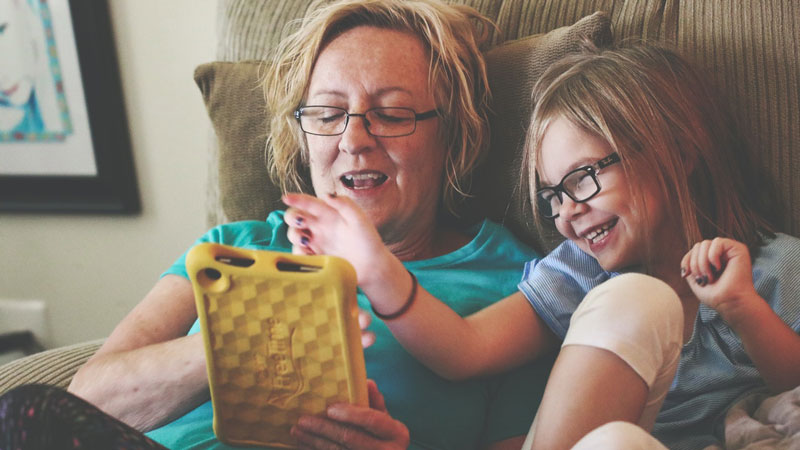
With this in mind as a parent, it’s likely you’re reaching the point of digital fatigue or perhaps you’ve bookmarked so many online resources across email, Facebook, WhatsApp and scribbled notes from school, you don’t know which one to check out first.
With this in mind, next time you get time to sit with a cuppa, have a browse of some of the amazing activities, websites, virtual tours and YouTube movies available to keep you and your kids entertained.

At this particular time, it could be argued that concern for the amount of time your child is online could be relaxed in order to embrace some of the wonderful innovation and inspiration at our fingertips.
(apologies we haven’t sectioned these into age groups – this is due to many of them being appropriate for all ages – including adults!)
Virtual resources for fun and education
33 Virtual National Park Tours
Explore National Parks from the comfort of your home using Google Earth
Read-aloud stories by children’s authors
Children’s authors are offering read-alouds of their books and books by their favorite authors for primary school kids.
15 of the most fun workouts on YouTube, from Morning Yoga, to Zumba, to KPop Workouts, stay active and have fun.
Stage shows, musicals and opera
A round-up of shows available on streaming services, with links to donate to charity in return for your entertainment.
Experience the best museums from London to Seoul in the comfort of your own home.
The World’s largest producer of digital audio books has made hundreds of titles for children FREE ‘to entertain, teach and keep minds active, alert, and engaged’.
Fun and creative ideas and activities to do with your kids at home
Simple, fun activities for kids, from newborn to five
Cute and easy crafts for small kids
Creative art and craft activities for the very youngest.
Educational interactive games for the primary school classroom.
Maddie Moates Science Discovery Sessions
Fun and engaging YouTube series from Maddie Moate answering questions about animals, plants, travel and technology. Maddie is host of CBeebies TV series “Maddie’s Do You Know?”, BBC Earth’s “Earth Unplugged” and Fully Charged’s latest series ‘Maddie Goes Electric’.
Build a deep, solid understanding in math, science, and more for all ages and other subject at Secondary level.Note this uses the U.S. grade system yet it’s mostly common material.
This site is no longer updated, yet there’s so much still available, from language learning to BBC Bitesize for revision. No TV licence required except for content on BBC iPlayer.
Free to access 100s of courses, only pay to upgrade if you need a certificate in your name (own account from age 14+ but younger learners can use a parent account).
For those revising at GCSE or A level. Tons of free revision content. Paid access to higher level material.
Free taster courses aimed at those considering Open University yet everyone can access it. Adult level, yet some e.g. nature and environment courses could well be of interest to young people.
Games for tomorrow’s programmers. Fun and free activities to learn computer programming skills.
Program your own interactive stories, games, and animations and share your creations with others in the online community.
TED’s youth and education initiative providing innovative TED-Ed Lessons including all sorts of engaging educational videos.
Activities and quizzes to satisfy everything an inquisitive young mind needs to get excited about their world.
A fun and interactive way to learn languages for free via website or App.
Free lessons that inspire kids to love science
Smart videos for curious minds of all ages
High quality educational videos about gradeschool science covering topics such as Earth, Habitats, Space, Chemical Reactions, Engineering, and more.
Challenging and thought provoking real-world STEM projects for young people of all ages.
Develop digital, enterprise and employability skills for free.
Ideas and opportunities to inspire everyday adventure and skills for life. Free challenge packs and other downloads. Many activities can be completed indoors. Badges cost but are optional.
Free, easy-to-use app for 3D design, electronics, and coding used by teachers, kids, hobbyists, and designers to imagine, design, and make anything!
Curriculum-aligned math platform for students to learn and practice math.
(In U.S. grades, yet useful for UK Primary students).
Fun radio stories, poems, songs and listening activities for babies, toddlers and young children. Listen online or download the podcasts to take away.
Nature-based activities you can enjoy together at home or in your garden.
Free activities and resources for reading, writing and numeracy for Primary level students.
Free, online social studies course to help middle and high school students better understand people, civilizations, and how we are connected to everything around us.
Fun games for everyone who wants to explore and learn about the world.
Ideas and information on how to get your hands on a Blue Peter badge. Stamp and a nearby post box required.
Resources, activities, ideas, and inspiration to keep you, your children and your students as curious and connected as ever.