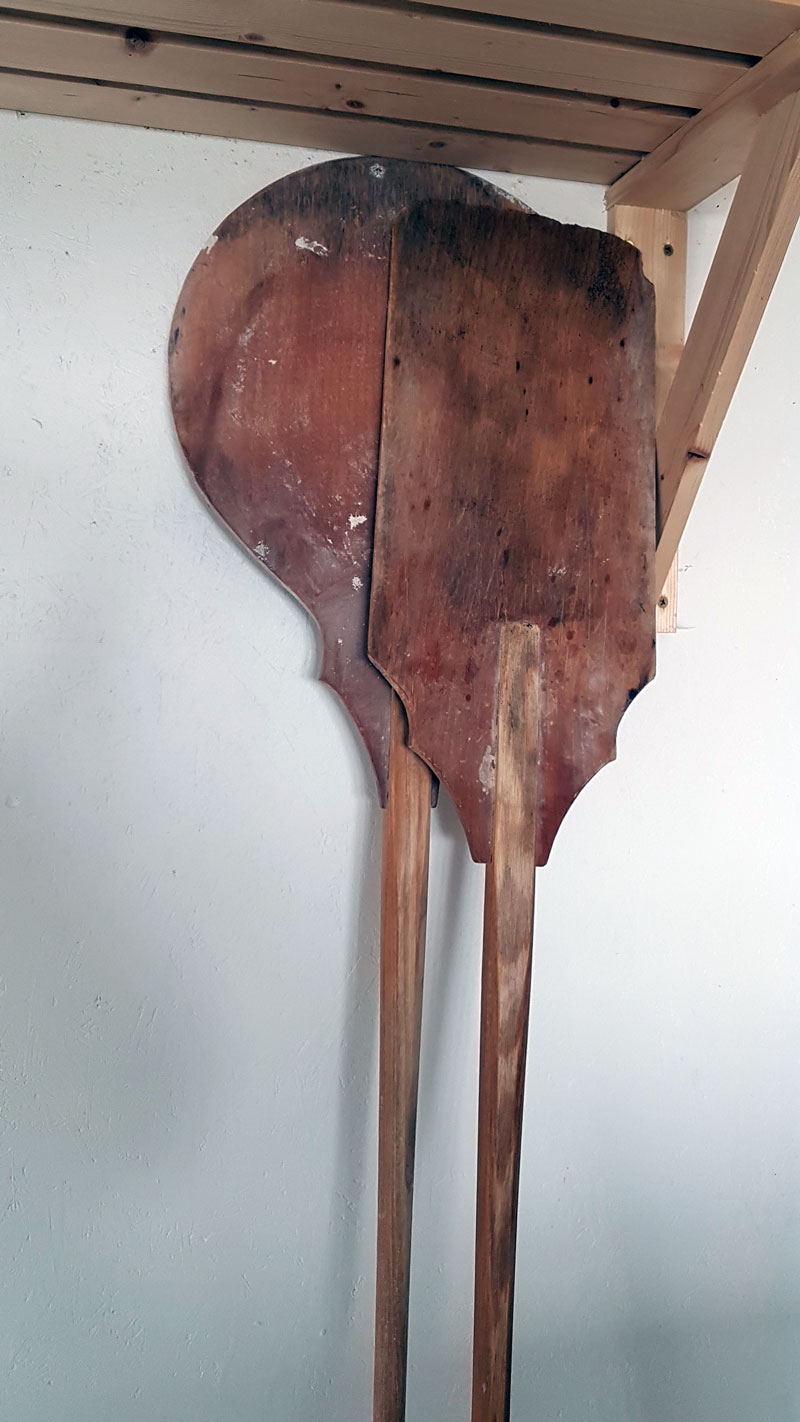

On a hillside overlooking St Brides bay on the stunning coast of Pembrokeshire sits Wales’ first peasant bakery. A community supported initiative, run with and for the local community on a mission to make bread and wheat healthy again.
By ‘peasant bakery’ we mean one that is dedicated to growing, milling and baking from an evolving population of heritage varieties of wheat. And, delivering time honoured bread from field to table as their name Torth Y Tir so aptly translates – to ‘loaf of the land’.
So what does a peasant bakery look like in 2020?
And how does the end product compare to the commercially produced bread that conveniently lasts for a week or more?
The answer is quite simply in the taste, the nutritional content, the insight to where your food has come from and knowing that you are investing in genetic diversity that can adapt to climate change.
What captured me the most about this project is the depth of knowledge and passion Rupert and his team have about regenerative farming, community supported agriculture, adapting food systems for climate change and localised food production models (more in depth info on these topics at the end of this story).
A little insight for those who aren’t familiar with the farming language, the community supported agriculture approach (where ‘consumers’ support their local producers and share the risk and reward of production) is the forward thinking solution to the unsustainable ‘supermarket system’, which hands 100% of the risk to producers, whose produce literally gets dumped if it’s too ‘wonky’, or is required to lower prices when market dictates, milk being the classic example.
So, an immediate hats off to these guys for leading the way in this arena.
From field to loaf
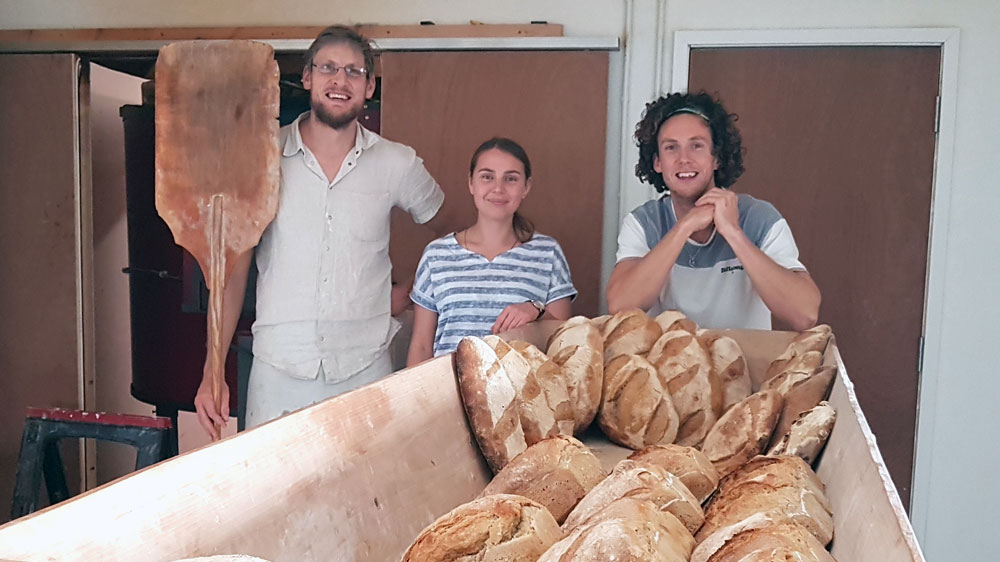
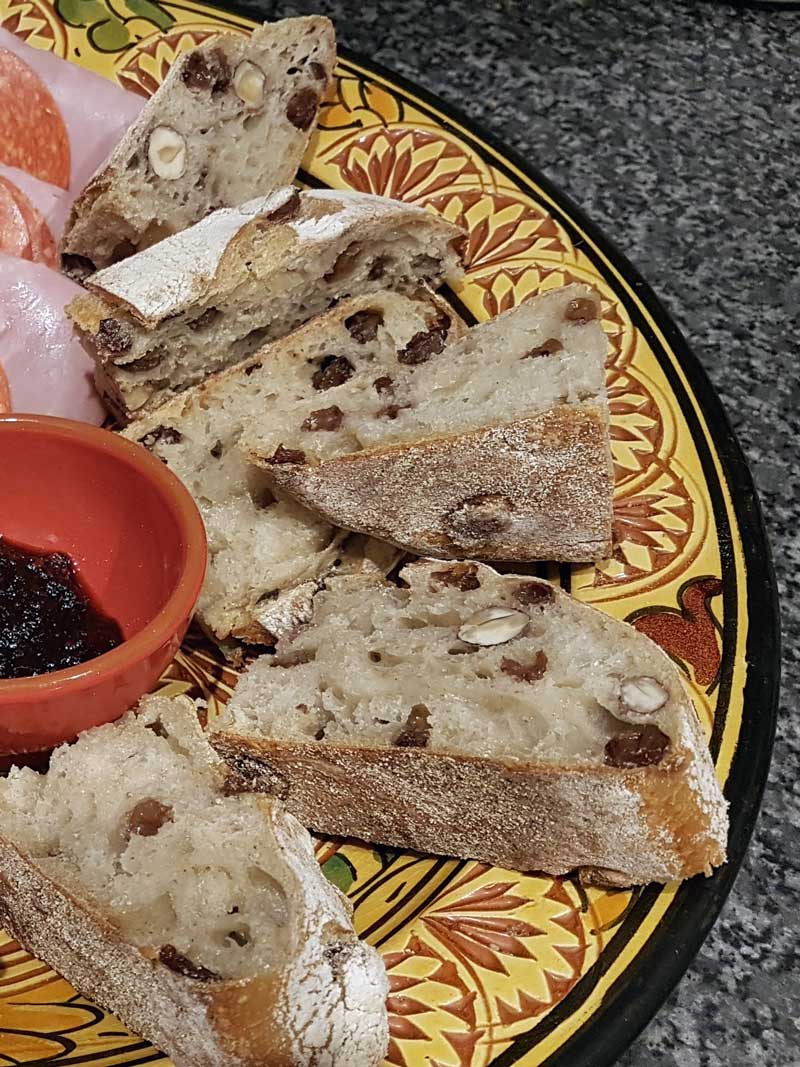
On my visit to Torth Y Tir a couple of weeks ago to meet Rupert (founder, farmer, miller and baker) and other team members, Adam and Katie, I experienced a tiny piece of this magical bakery before taking my 1/2kg hazelnut and raisin sourdough loaf home to enjoy – which was mouth-wateringly scrumptious by the way and still warm from the oven, just 5 minutes from my house.
I arrived just as the day’s bake was resting and being packed for distribution to various points across the county. The aroma was a treat for the senses. I don’t think I’ve met anyone yet who doesn’t love the smell of freshly baked bread.

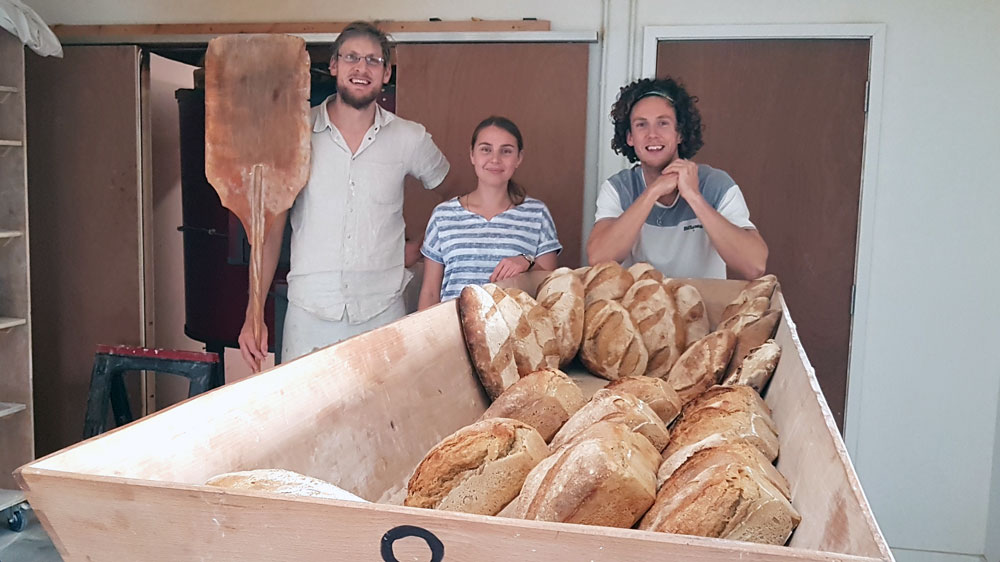
I loved how the team stood proudly around the result of their hard earned graft which I’m guessing felt even more special as I learned Rupert and Adam had just spent 2 days sowing 18 acres of land – stage one of the annual growing process ready for next season’s crop of wheat.
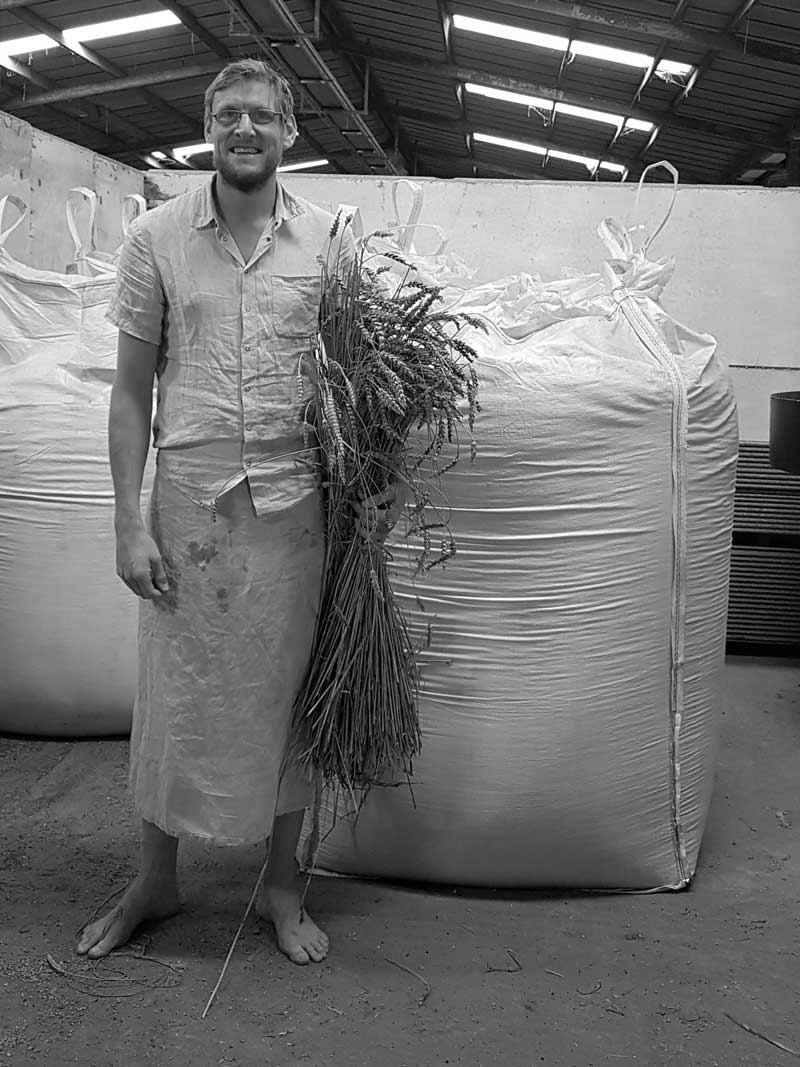
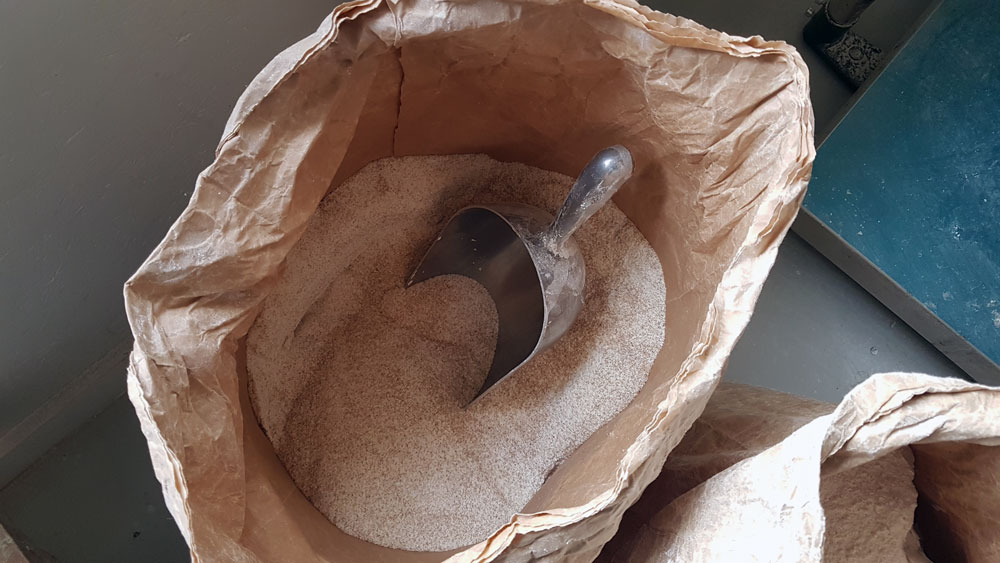
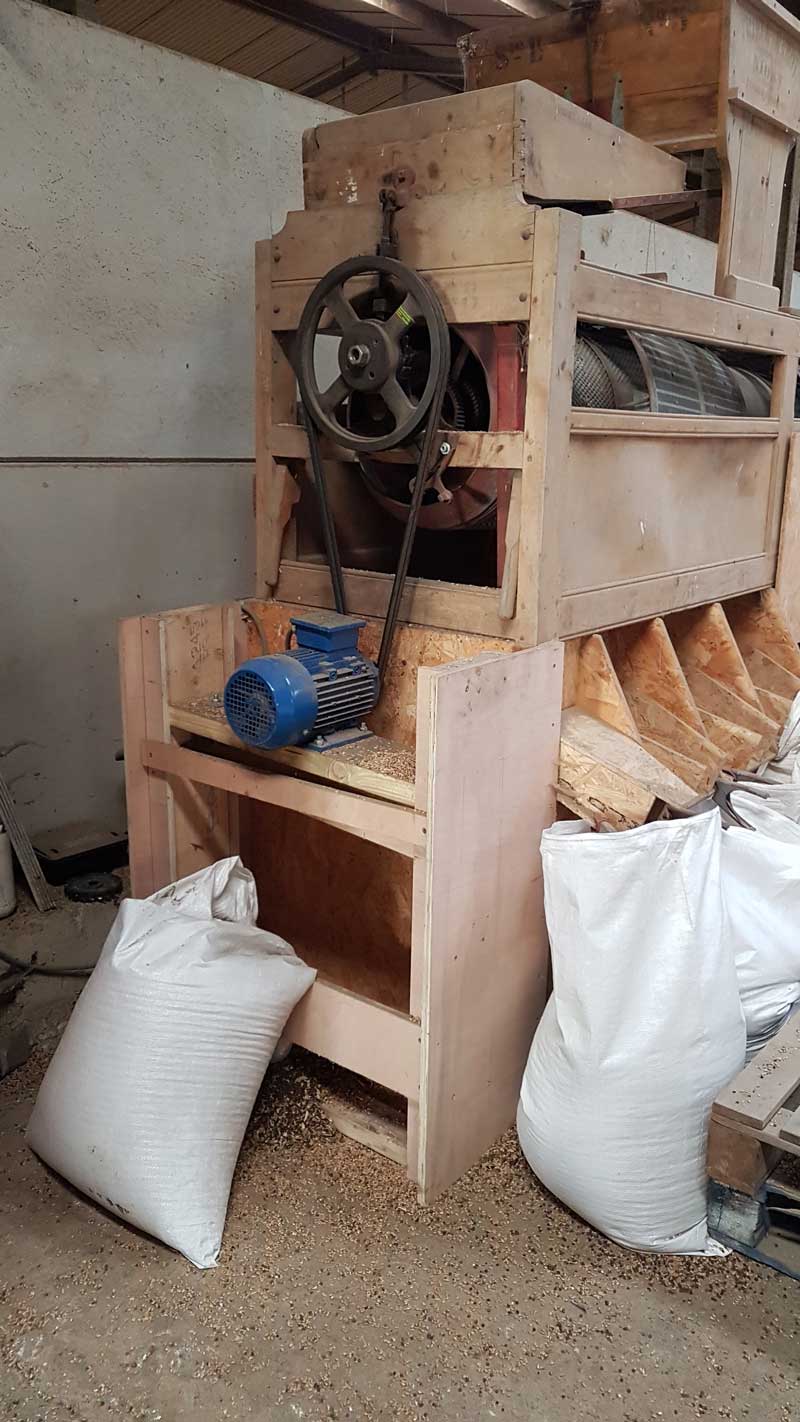
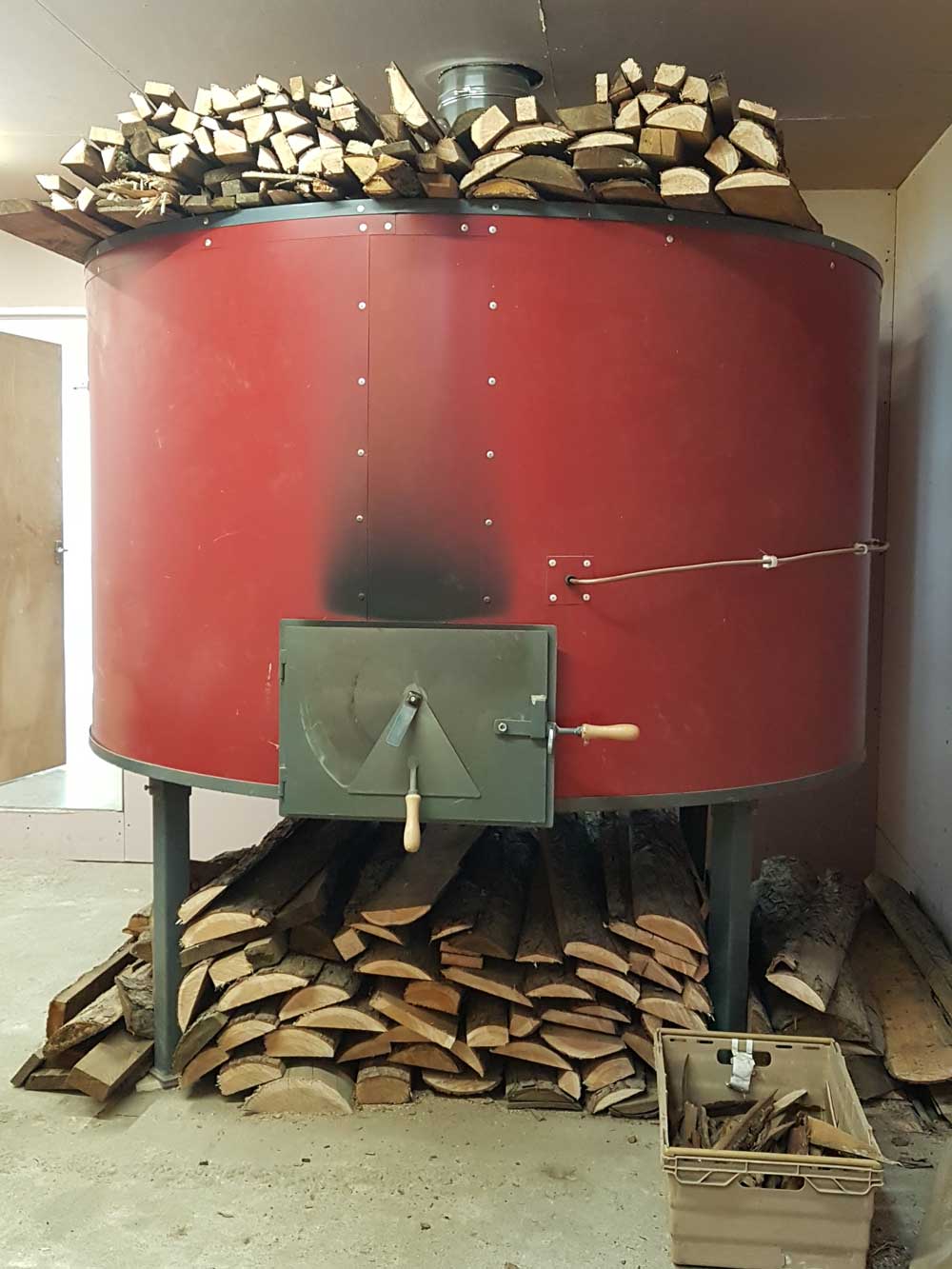
A quick tour of the bakery brought the story from the Torth Y Tir website to life. I learned about the process from seed to bake, watched the flour being milled and listened to finite details of how the bran is unwrapped from the grain.

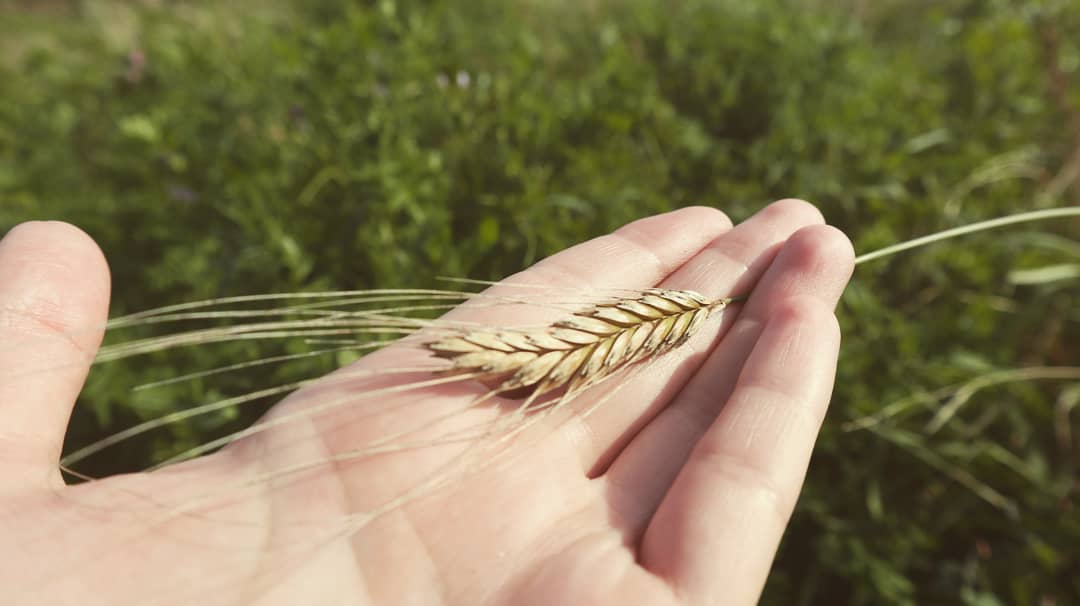
The Torth Y Tir seed population is made up of many different varieties. The different types of seed will adapt differently as weather and soil conditions change, meaning the population is already well on its way to being a land race population, specifically adapted to the St Davids Peninsula – now that will certainly be something to feel proud about.
I was interested in their comment about their stone milling process retaining 80% of the grain and no bran, and why this is important to the nutritional makeup of the final product. Rupert explained that digesting bran is hard for our bodies to break down, can bind up useful nutrients and generally demineralises our bodies over time. Hence they omit it, retaining only the wheat germ (containing nutrient rich oils) and the endosperm (high protein content) to produce the healthiest version of wheat possible, with a small amount of the bran fermented over 22 hours prior to baking to unlock the nutrition.
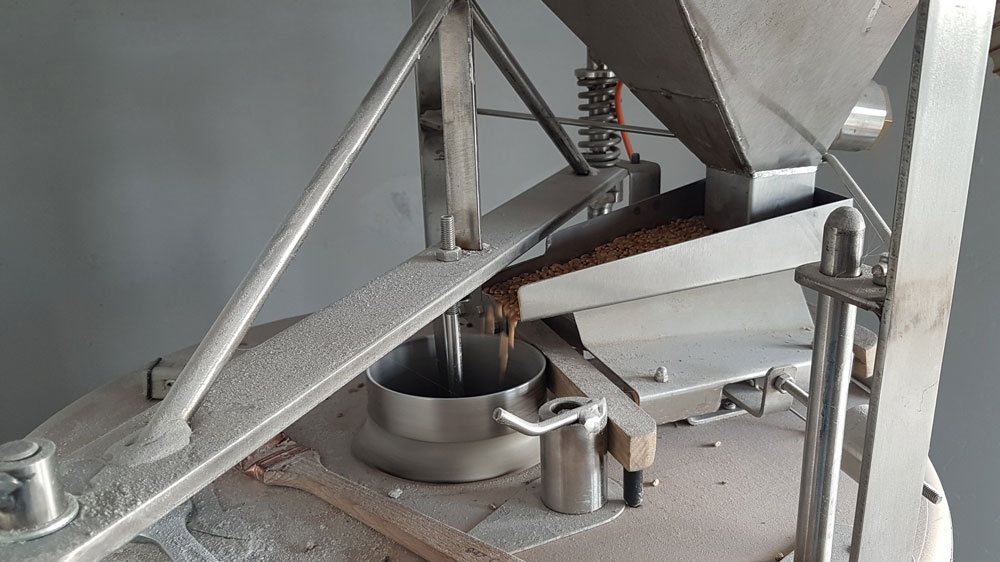
Interestingly, I also learnt that the large scale roller milling process (found in commercial factories) separates the component parts of the grain so that the final flour can be left with only 20% of the nutritional content of the grain. Something to consider when buying your next commercially packed white sliced loaf.
So how can we as Pembrokeshire residents benefit from and support this ingenious community project?
Torth Y Tir has an evolving online bread ordering system which currently delivers to customers from St Davids through to Haverfordwest. You can order your loaf online and select a pick up point from locations in St Davids, Porthgain, Solva, Fishguard, Roch, Haverfordwest and Newport.
You can also buy directly from St Davids (in season) and Fishguard weekly markets or choose to collect it directly from Penycwm bakery – perhaps even enjoy a quick tour of the bakery if you time it right.
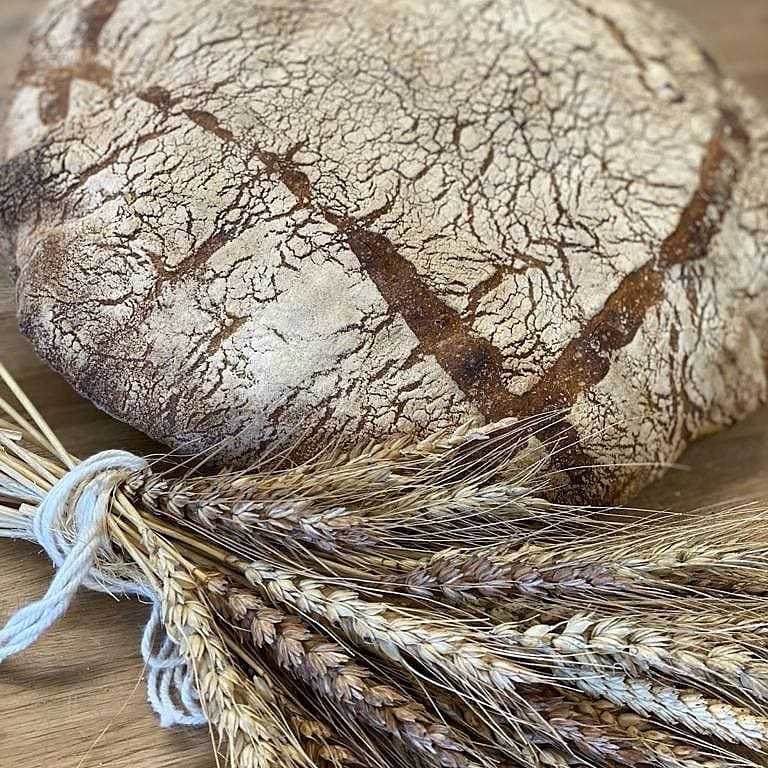
Prices and loaf weight ranges from £3 for a 1/2kg loaf through to £9 for a 2kg loaf. I really love the fact that you can also purchase a ‘Pay It Forward’ loaf which will be delivered to one of St Davids or Fishguard foodbanks on your behalf. I decided to do this just before our Wales wide lockdown came into play.
Research, training and supporting other peasant bakeries
Research and training is also a passion for Torth Y Tir and you can find various events running on their website throughout the year. Buy buying bread from them, you also support them to aid others in setting up peasant bakeries and bit by bit, transforming the food system in Wales and the UK.
Torth Y Tir are as much activists as they are producers
Two key tenants of Torth Y Tir’s work are food sovereignty and agroecology, which in essence challenges the question of ‘how can we have free, healthy, empowered communities if we cannot choose how we produce the food we eat?’. Torth Y Tir is part of a wider social movement, linked to the Land Workers Alliance and globally to La Via Campesina who represent over 200 million peasant people.
Read Rupert’s article written for the Sustainable Food Trust; Agroecology: An idea and practice coming of age
This video ‘Agroecology: Voices From Social Movements’ explores the different perspectives of food providers on agroecology and the calls from social movements to embed agroecology in the struggle for food sovereignty.
I hope you’ll join me in applauding these guys for their determination and dedication to what many would describe as a ‘far from easy’ life. Yet it was evident from seeing the team in action and our mutually agreeable chats about life values that, an easy and financially successful life doesn’t come close to the pleasure and benefits of living simply and sustainably.
Thanks for educating me further about your vision Rupert and team…I know you’ll do yourselves and our community proud.
To connect with Torth Y Tir and order your freshly baked bread, visit their website.