

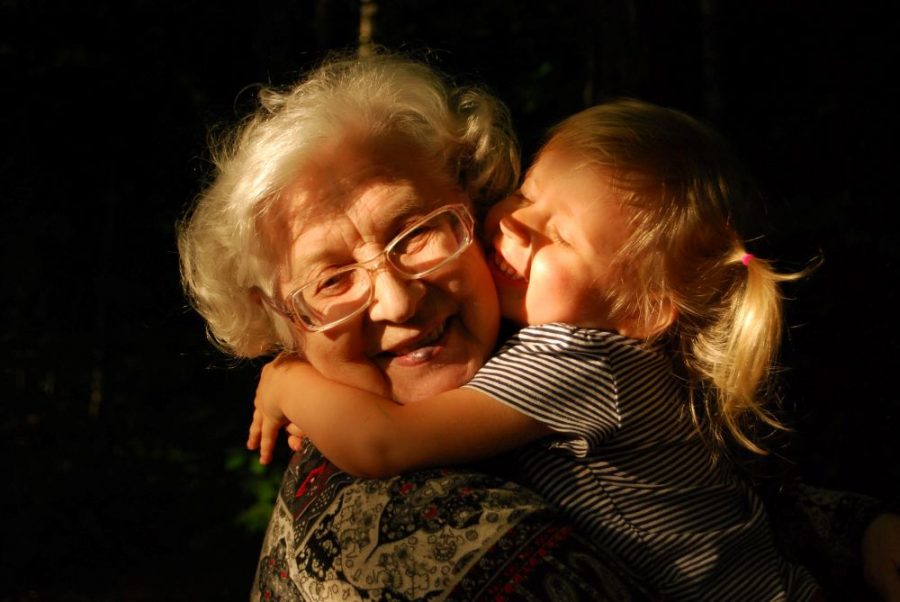
It’s a simple act of human nature, which comes naturally to most of us when offering comfort, support or an age-old shoulder to cry on. It can be as beneficial to give as to receive but for the past century has been taken for granted, its effects perhaps underestimated or forgotten.
When was the last time you gave someone a hug? When was the last time someone hugged you? It’s safe to say that physical contact has been limited over the past 18 months. When the simple act of human touch meant a threat to ourselves or our loved ones, that basic physical connection was no longer available to us as it had been before.
One of the biggest reactions to the easing out of lockdowns and the releasing of restrictions was the ability to be able to hug our loved ones again. This was something that we had missed the most and the one thing which we were craving to have back in our lives.
Who would have thought that in May 2021 the UK government would be announcing our allowance to be able to hug again? The BBC announced at the time that it was the ‘single biggest step on the roadmap’ out of the pandemic restrictions, while the media soon became adorned with photographs of families and loved ones coming together.
Sky News reported why it’s so important for us to be able to hug again, noting that as human’s we are ‘wired to hug’. They reported that
“Biologically and psychologically, the close contact of an embrace makes us feel better”
The Sky News article goes on to elaborate the history of the embrace
“The science of the hug is fascinating and has a lot to do with our evolutionary past. Monkeys and apes invest huge amounts of time in grooming – not just to remove parasites and debris from their fur, but also as an important part of social bonding in the troop. Human skin is a lot less hairy, but it retains a network of touch-sensitive nerves that link directly to the brain, where they stimulate the release of endorphins.
These are chemicals that are closely related to opiates like morphine. They make us feel good, but without the addictive effects.
That flood of endorphins is re-enforced by the release of oxytocin, a hormone that reduces stress and makes us feel ‘connected’.
A cuddle with a partner or close contact with a baby similarly stimulate the release of oxytocin.”
Social media group Midwives of the soul recently shared the health benefits that physical contact can have for us in an article beautifully titled The Importance of Being Held.
They noted
“The average length of a hug between two people is 3 seconds. But researchers have discovered something fantastic. When a hug lasts 20 seconds, there is a therapeutic effect on the body and mind.
The reason is that a sincere embrace produces a hormone called “oxytocin”, also known as the love hormone. This substance has many benefits in our physical and mental health, helps us, among other things, to relax, to feel safe and calm our fears and anxiety.
This wonderful tranquilizer is offered free of charge every time we have a person in our arms, who cradled a child, who cherish a dog or a cat, that we are dancing with our partner, the closer we get to someone or simply hold the shoulders of a friend.”
Psychotherapist Virginia Satir said,
“We need 4 hugs a day for survival. We need 8 hugs a day for maintenance. We need 12 hugs a day for growth.”
While this may seem a lot, there are some great reasons why hugs are so important in our day-to-day life.
- Stimulates Oxytocin – Oxytocin is a neurotransmitter that acts on the limbic system, the brain’s emotional centre, promoting feelings of contentment, reducing anxiety and stress
- Cultivates patience – Connections are fostered when people take the time to appreciate and acknowledge one another. A hug is one of the easiest ways to show appreciation and acknowledgement of another person. The world is a busy, hustle-bustle place and we’re constantly rushing to the next task. By slowing down and taking a moment to offer sincere hugs throughout the day, we’re benefiting ourselves, others, and cultivating better patience within ourselves.
- Prevents disease – Touch Research Institute at the University of Miami School of Medicine says it has carried out more than 100 studies into touch and found evidence of significant effects, including faster growth in premature babies, reduced pain, decreased autoimmune disease symptoms, lowered glucose levels in children with diabetes, and improved immune systems in people with cancer.
- – Strengthens the immune system – hugs stimulate the thymus gland, which regulates and balances the body’s production of white blood cells, which keep you healthy and disease free.
- Communication without saying a word – Almost 70 percent of communication is nonverbal. The interpretation of body language can be based on a single gesture and hugging is an excellent method of expressing yourself nonverbally to another human being or animal.
- Self Esteem – Hugging boosts self-esteem, especially in children.
- Simulates Dopamine – Dopamine is responsible for giving us that feel-good feeling, and it’s also responsible for motivation! Hugs stimulate brains to release dopamine, the pleasure hormone.
- Simulates Serotonin – Reaching out and hugging releases endorphins and serotonin into the blood vessels and the released endorphins and serotonin cause pleasure and negate pain and sadness and decrease the chances of getting heart problems, helps fight excess weight and prolongs life. Even the cuddling of pets has a soothing effect that reduces the stress levels.
- Parasympathetic balance – Balances out the nervous system.
So, what are you waiting for? Grab your nearest and dearest for a big old bear hug and feel the positive effects for both of you.