
We are a nation of animal lovers. Our furry friends in whatever shape and size are part of our lives and our homes, being counted as members of our families. The call of an animal’s name in any vets waiting room confirms this.
We never question the automatic adoption of our surname to our pet’s given names, no matter how silly they sound. Snowy Griffiths, anyone?
According to Statista.com, a study carried out in 2021 recorded that there were 12 million cats and 12 million dogs living in UK homes in that year, with smaller pets such as birds, hamsters and rabbits ranking at 1.3 million, 1 million and 0.6 million. 60% of British households now contain an animal of some kind.
In 2020, consumers spent nearly 8 million pounds on pets and pet related products in the United Kingdom, approximately double the pet expenditure levels ten years prior, when pet owners in the UK spent a total of 3.9 billion British pounds in 2010.
Owning an animal has proven to reduce stress, reduce feelings of loneliness and isolation and to encourage responsibility and bonding in younger owners.
Animal friends.co.uk claim there are many other benefits to owning a pet such as
– 1) They keep you fit.
– 2) They make sure you’re never lonely.
– 3) They lower your stress levels.
– 4) They can help you make friends.
– 5) They can improve your immune system.
– 6) They can stop your children from developing allergies.
– 7) They can catch cancer early.
– 8) They can teach kids responsibility.
Just being around an animal can have a huge affect on your mental and physical health. The RSPCA note that animals can help to lower blood pressure and cholesterol levels and increase physical activity. They also highlight the psychological effects of owning an animal and research has recorded that those who have pets, including children or adolescents, have been shown to have higher self-esteem and to be more empathetic. Teenagers who own pets have a more positive outlook on life and report less loneliness, restlessness, despair and boredom. Pet owners report less depression and appear to cope with grief, stress and loss better than non-pet owners.
Animals can also be great mood boosters. Playing with an animal can release serotonin and dopamine, which calm and relax us.
They are often intuitive, knowing when their owner is feeling sad or unwell, providing a sense of comfort when life is difficult. A friend of mine, who had lost her partner suddenly, claimed that she would never have got through it without her dog. He seemed to know how she was feeling and helped her through her grief. The experience also increased their bond. There’s also nothing like coming home at the end of a busy work day to see your pet waiting for you at the door, or welcoming you with a wagging tale or purr of appreciation.
Helpguide.com say that pets have evolved to become acutely attuned to humans and our behaviour and emotions.
“Dogs, for example, are able to understand many of the words we use, but they’re even better at interpreting our tone of voice, body language, and gestures. And like any good human friend, a loyal dog will look into your eyes to gauge your emotional state and try to understand what you’re thinking and feeling (and to work out when the next walk or treat might be coming, of course).”
They also record the positive effects on pet owners for reducing the impact of Alzheimer’s and Dementia, as well as decreasing aggressive behaviours. Interestingly, owning a dog or cat was just as affective for this as being exposed to bright aquariums or fish tanks. Being around animals was also recommended for care givers to ease their stress and anxiety. Although cats or caged animals were recommended as they need less responsibility.
Animals can be a great source of comfort and support to those who need it, whatever their circumstances. However, for some, owning a pet is not practical or suitable. This might be due to the level of commitment, the cost or a physical or mental illness, which may provide a challenge to owning and caring for an animal.
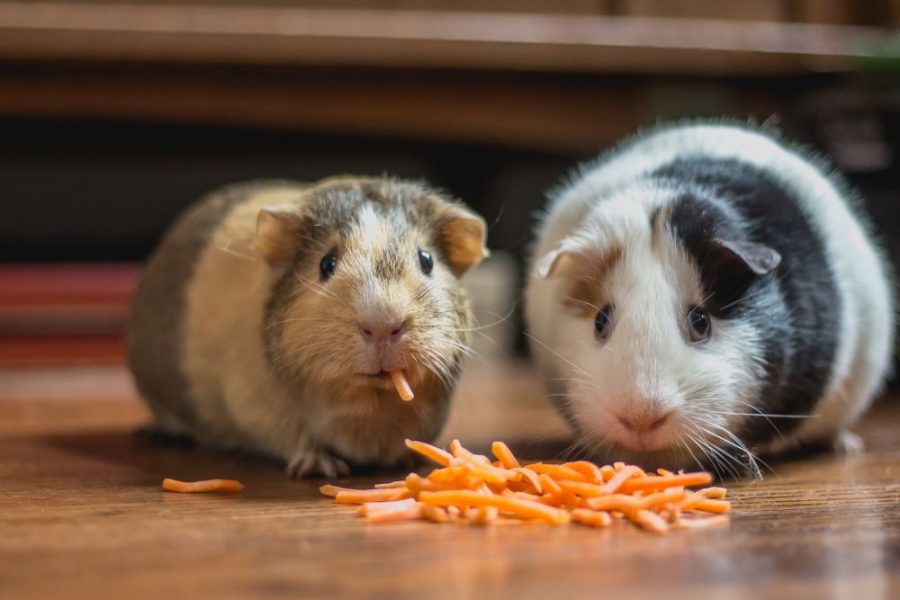
There are many options for people finding themselves in these circumstances, such as spending time with a friend or family member’s pet. Organisations, such as Borrow My Doggy and the Cinnamon Trust, allow access to animals whenever and wherever suits the individual and involves supporting their local community. The Cat’s Protection League and the Dogs Trust also need people to provide temporary homes for animals in their care, while Nibbles Rodent Rescue asks for volunteers to help care for their smaller animals such as hamsters, rabbits and guinea pigs.
Animal therapy has also begun to show its benefits over the years for helping all kinds of people within the community.
Philippa Stanley is a life and business coach and set up Equis Coaching over 5 years ago, based in Llanelli with an aim to help people, she provides horse-assisted coaching. She says that being around animals, particularly horses, is extremely beneficial for our mental health, as she discovered before she started the equestrian element of her business.
“We are fields of energy and express ourselves through vibrations. Horses can feel that. I’d always known the power around coaching, but when I was going through a long and painful divorce and even when I was married, I had a horse that I would take out on the mountain and tell all my woes to.”
After her coaching training and meeting other contacts, Phillipa learnt of similar practices going on in Europe, and eventually all over the world. One of those contacts, Melanie, now works with Phillipa at Equis Coaching.
Philippa’s personal experience during a coaching session with horses whilst training, highlights the connection that drives her work today.
“The two horses were away from me in the field, next to the fence. They had their heads down and their feet resting, they were practically asleep. When the emotion came to me and I had my light bulb moment, suddenly they were there by my side. It was so quick that I didn’t even realise they were behind me. It was an unforgettable experience.”
Philippa has a small herd of 3 horses on her land and offers horse-assisted coaching training days as well as full courses. She notes the incredible connection that can develop between her clients and the horses.
“Horses reflect the true us – they mirror our deepest feelings and connect into that. If you are truly willing to open up and be authentic, they will connect to that innermost part of you to show you who you really are, and who you want to be.”
Depending on what her clients want out of the sessions, the experiences can be tailored to their specific needs.
“Some people may not even like horses or be afraid of them. We can work with them the other side of the fence in a field. When you’re outside of your comfort zone, your feelings are heightened and when things change for you, you see results.”
She says her work is extremely rewarding and she loves helping people through her love of animals
“Often people will come along not knowing what will happen and are really surprised by the results. It’s about finding a deeper stillness. We all live in our heads and we need to find a way to circumnavigate that. Our thinking head limits us to what we know, but what we feel is limitless.
The best part of my job is seeing transformations in the people I work with. Feeling that shift of energy when that block suddenly dissolves to reveal the start of new possibilities.”
Rhyndaston Alpaca farm in Hayscastle near Haverfordwest have also recently begun planning some integrated psychotherapy alpaca sessions to offer the community. The benefits of these mild natured animals has been documented and they have been used to help with a number of health conditions over recent years. Previously, Rhyndaston Farm have seen success with their unique Alpaca experiences. Find out more on their Facebook page.
Whatever your situation, being around animals can be hugely beneficial for your mental and physical health. Here are some ways you can reap the benefits of spending quality time with our furry friends.
Volunteer for the Cinnamon Trust in your area, Borrow My Doggy or Nibbles Rodent and Rabbit Rescue. Contact a rescue centre near you to see if they need help. Find out more about Equis Coaching.