
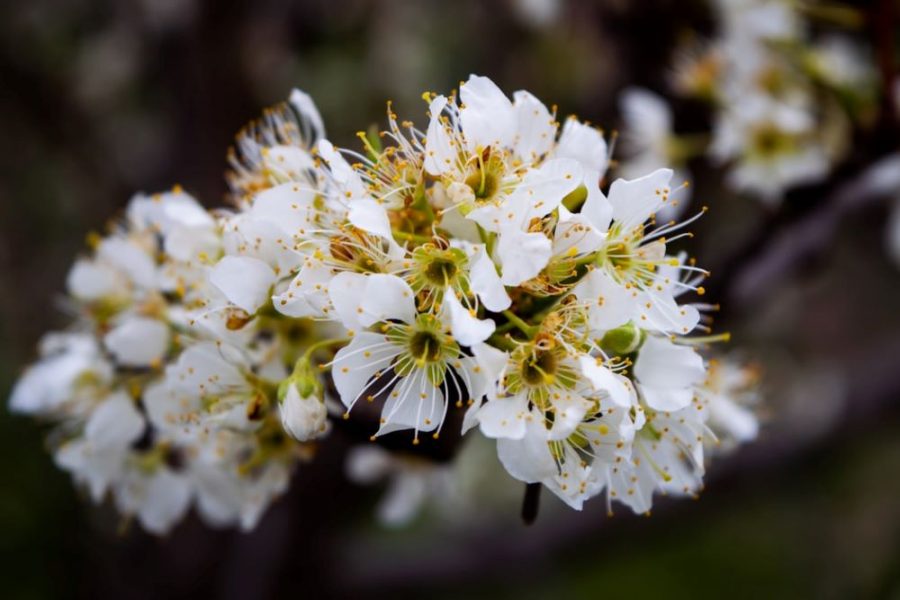
Many of us will be glad to see the better weather coming after a long winter of lockdowns and restrictions due to Covid 19. The sight of the sunshine, warmer days and hedgerows full of flowers can bring a much-needed sense of calm and relief as we move into longer, lighter days and start to venture outside more often.
Yet for Hay fever sufferers, this change of seasons can bring with it the most uncomfortable of side effects. Allergy UK note that there are over 21 million people in the UK suffering from allergies including hay fever, with over half of the total population suffering from Hay fever. Hay fever affects 1 in 5 people at some point in their life. A recent STUDY (April 2021) by Allergy UK and Kleenex, found that more than a third (37%) of the population have developed symptoms for the first time in the last five years. There is also evidence that warmer temperatures and increasing pollution are contributing to a longer UK pollen season.
Allergy UK is a national charity providing support for people dealing with allergies. They offer advice on coping with allergies including Hay fever, fact sheets to learn more and access to healthcare and professionals. They also raise awareness through Allergy Awareness week every April.
Hay fever is a common allergic reaction which occurs at particular times of the year. It is known as seasonal rhinitis, sharing symptoms with perennial (year-round) allergic rhinitis, but occurring as a reaction to pollen from grass, trees and weeds during the early spring and summer months. It can affect both adults and children.
It is caused when the body makes allergic antibodies (IGE) to certain substances, such as pollen, house dust mites or mould, which are known as allergens.
Hay fever is usually worse between late March and September, especially when it’s warm, humid and windy. This is when the pollen count is at its highest. Grass pollen is the most common allergen (May to July), but tree (February to June) and weed (June to September) pollens can also cause the allergic reaction we know as Hay fever. In perennial allergic rhinitis the symptoms continue all year round and usually relate to indoor allergens, such as house dust mites, pets, including birds, or moulds.
The most common symptoms of Hay fever are –
- Itchy eyes
- Sneezing/blocked/runny nose
- Watering, red eyes
- Headaches/blocked sinuses
- Shortness of breath
- Tiredness
The symptoms can become even more common when the pollen count is high and can make the simplest of tasks or a day out in the sunshine extremely unpleasant for many.
Unfortunately, there is no cure for Hay fever or prevention method, but there are ways to treat the symptoms and prevent them getting worse.
The most common treatments for Hay fever are antihistamines, which are available over the counter in the pharmacy as eye drops, nasal sprays and tablets, yet these can sometimes have the side effect of causing drowsiness.
Allergy UK’s advice on managing Hay fever is as follows –
– Monitor pollen forecasts daily and stay indoors wherever possible when the count is high (generally on warmer, dry days). Rain washes pollen from the air, so counts should be lower on cooler, wet days
– On high pollen days, shower and wash your hair after arriving home and change your clothing
– Avoid drying washing on a clothes-line outside when pollen counts are high
– Apply an effective allergen barrier balm around the edge of each nostril to trap or block pollens and other allergens and help prevent a reaction.
NHS also suggest the following ways to help deal with Hay fever
- – wear wraparound sunglasses to stop pollen getting into your eyes
- – stay indoors whenever possible
- – keep windows and doors shut as much as possible
- – vacuum regularly and dust with a damp cloth
- – buy a pollen filter for the air vents in your car and a vacuum cleaner with a HEPA filter
Healthline.com note that there can be a link to genetic factors and our odds of developing allergies.
They state that a study by Wiley found that
“if parents have allergy-related diseases, it increases the chances of their children developing Hay fever. Asthma and eczema, that are not allergy-related, don’t affect your risk factor for Hay fever.”
Healthline also reported (April 2021 article) that allergen experts based in the US had said Hay fever would be “stronger and longer” this year, due to the climate change crisis putting more pollen particles into the air.
Yet interestingly, the affect of the pandemic may have offset climate change, thanks to us all being inside and wearing masks and washing our hands etc. which would “help limit contact with airborne allergies”. Maybe there is something to be noted here.
They noted that some sufferers might want to wear masks outdoors to protect themselves, as well as to find out which pollens they’re most allergic to and checking daily pollen counts. Several apps are available for your phone. Allergy immunotherapy is also a fairly new treatment, which can be received as injections to help control allergies. This is generally considered for people who have severe and persistent reactions to allergies and struggle to control them using other methods. The treatment involves being given occasional small doses of the allergen, either as an injection, or as drops or tablets under the tongue, over the course of several years.
Healthline also state that some natural treatments for Hay fever include cooking foods that contain turmeric, fish oil, vitamin C as well as honey, which can sooth an itch or sore throat.
The Evening Standard lists the best allergy apps to get advanced notice of pollen counts. Read more about coping with hay fever at Allergy UK or on the NHS website.
–